House Republican seeks to claw back Congress' war powers with Iran measure
The move from Michigan Representative Tom Barrett comes amid reports of fresh U.S. strikes on Iran despite a ceasefire agreement and ongoing peace negotiations with Tehran.
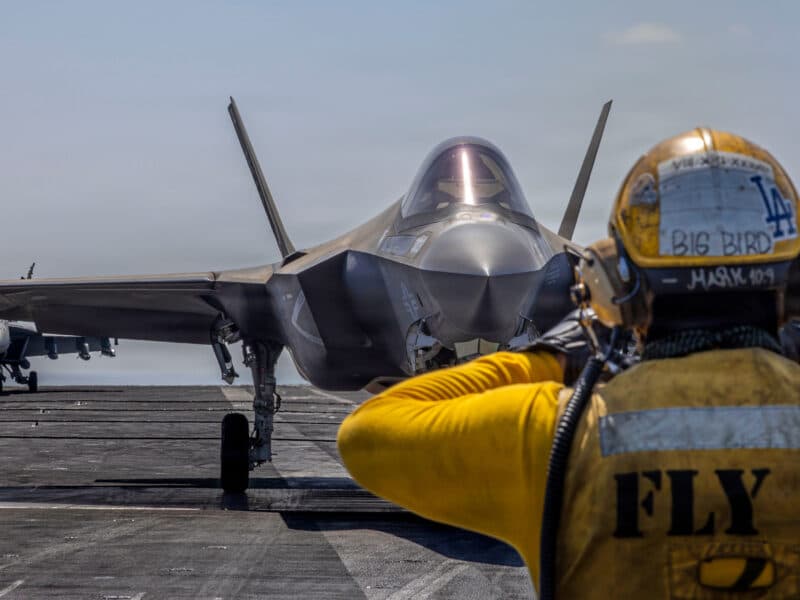
WASHINGTON (CN) — A House Republican lawmaker has called on his colleagues to reclaim their constitutional authority and approve a short-term military force authorization measure that would allow President Donald Trump to continue his war on Iran with congressional oversight.
The proposed authorization for use of military force, often abbreviated as AUMF, would give the Trump administration 90 days to achieve what Michigan Representative Tom Barrett called "clear mission objectives" in the conflict against Tehran and would prohibit the White House from ordering ground troops into the country.
But Barrett's proposed AUMF, introduced Thursday afternoon, comes amid reports that U.S. forces have carried out new strikes on Iranian oil ports, potentially threatening a ceasefire that has so far held while Washington and Tehran negotiate a possible peace deal.
If approved by Congress, the military authorization measure would set parameters on Trump's use of force against Iran. It would limit U.S. objectives to destroying the regime's nuclear program, defeating the Iranian military and proxy forces, blockading Iranian ports and reopening the Strait of Hormuz and its crucial shipping lanes for the oil and gas industry. Barrett's measure would also bar the president from "conducting sustained ground combat operations" inside Iran or engaging in "nation-building."
The proposed AUMF would authorize military action against Iran until July 30. Until then, the Trump administration would be required to submit monthly progress reports to Congress.
In a statement Thursday, Barrett argued that while he believed Iran should not develop nuclear weapons, such a goal shouldn't justify U.S. participation in what he called "another endless war." He argued the Trump administration had lawfully exercised its authority under the War Powers Resolution, which allows the president to commit troops for a period of 60 days without congressional approval.
"Now that those 60 days are over, Congress must reclaim its authority under Article 1 of the Constitution and give President Trump authorization before hostilities can continue," said the Michigan congressman and Army veteran. "Here's the bottom line: If we don't learn from our foreign policy failures of the past, we are bound to repeat them."
Barrett added that his proposed AUMF would ensure future U.S. military action in Iran would be carried out "with clear eyes and a deadline-driven objective."
The push to claw back congressional authority over warmaking comes amid uncertainty about how the Trump administration would approach future hostilities against Iran. The president, in a letter to top lawmakers last week, said the operation, which began in early March, had been "terminated" but left the door open to resuming military force in the future.
It was a move that appeared to sidestep the war powers deadline, which elapsed last Friday — after which Trump would have needed congressional authorization to continue his war.
Still, despite the ongoing ceasefire, the U.S. military on Thursday reportedly carried out a series of strikes on Iranian oil ports. The move came days after Tehran fired ballistic missiles at a similar port belonging to the United Arab Emirates. Pentagon officials said earlier this week they didn't believe the attack by Iran constituted a ceasefire violation.
Officials told Fox News the strikes did not signal the war on Iran had restarted or that the ceasefire was now over.
It's unclear how these developments will affect peace negotiations between Washington and Tehran that have so far stalled without an agreement. Trump has said talks were making "great progress" but has also threatened Iran with fresh airstrikes should it refuse to accept his administration's terms.
The Strait of Hormuz, meanwhile, remains functionally shut down thanks to an Iranian blockade. Though the White House announced a U.S. Navy effort to guide cargo ships through the waterway, mined by Iranian forces, Trump this week said he would walk back that plan.